EK-1, ELB or triage: how to choose the right robusta grade
A practical comparison of Indonesia's three main robusta export categories.
By IndokofeePublished 4 min read
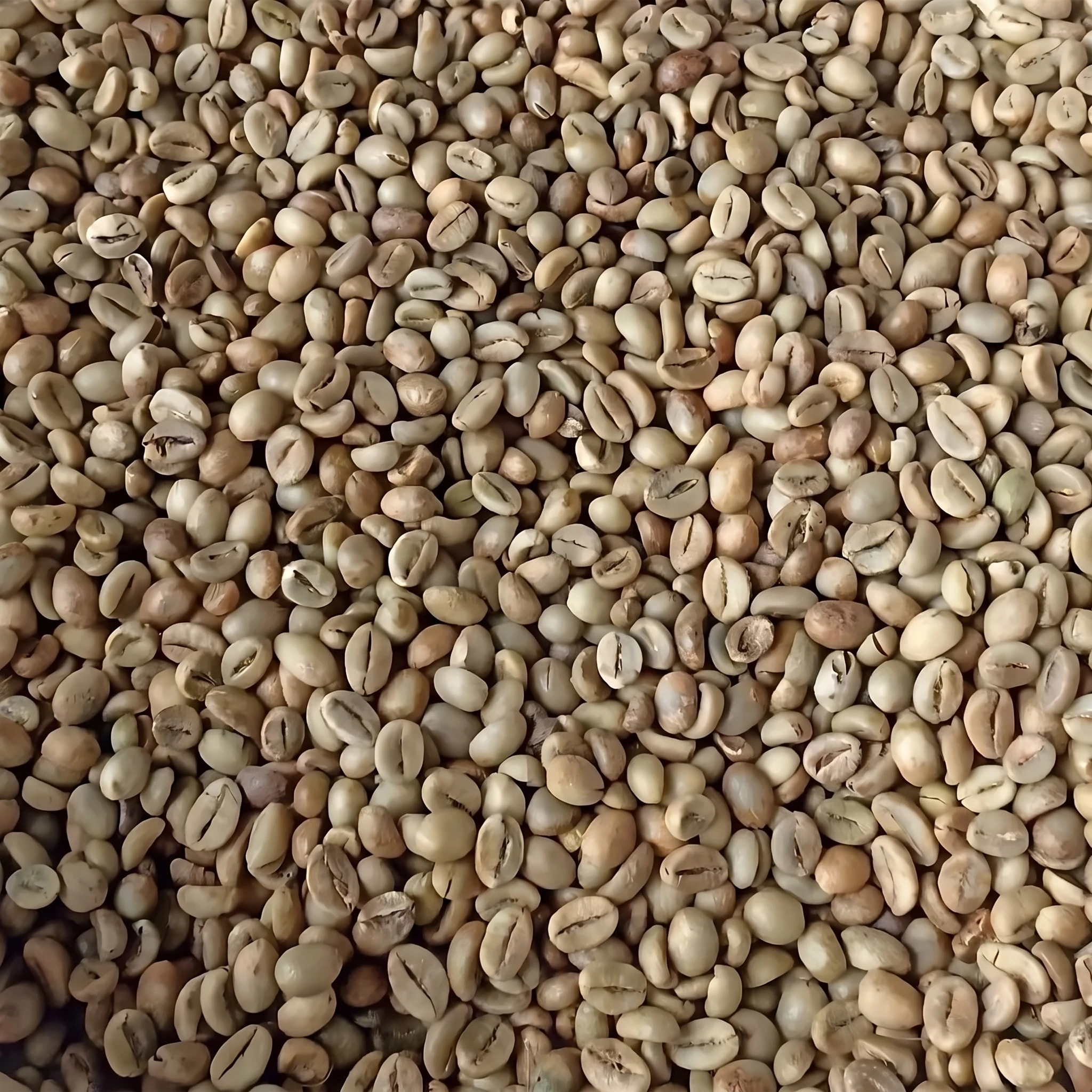
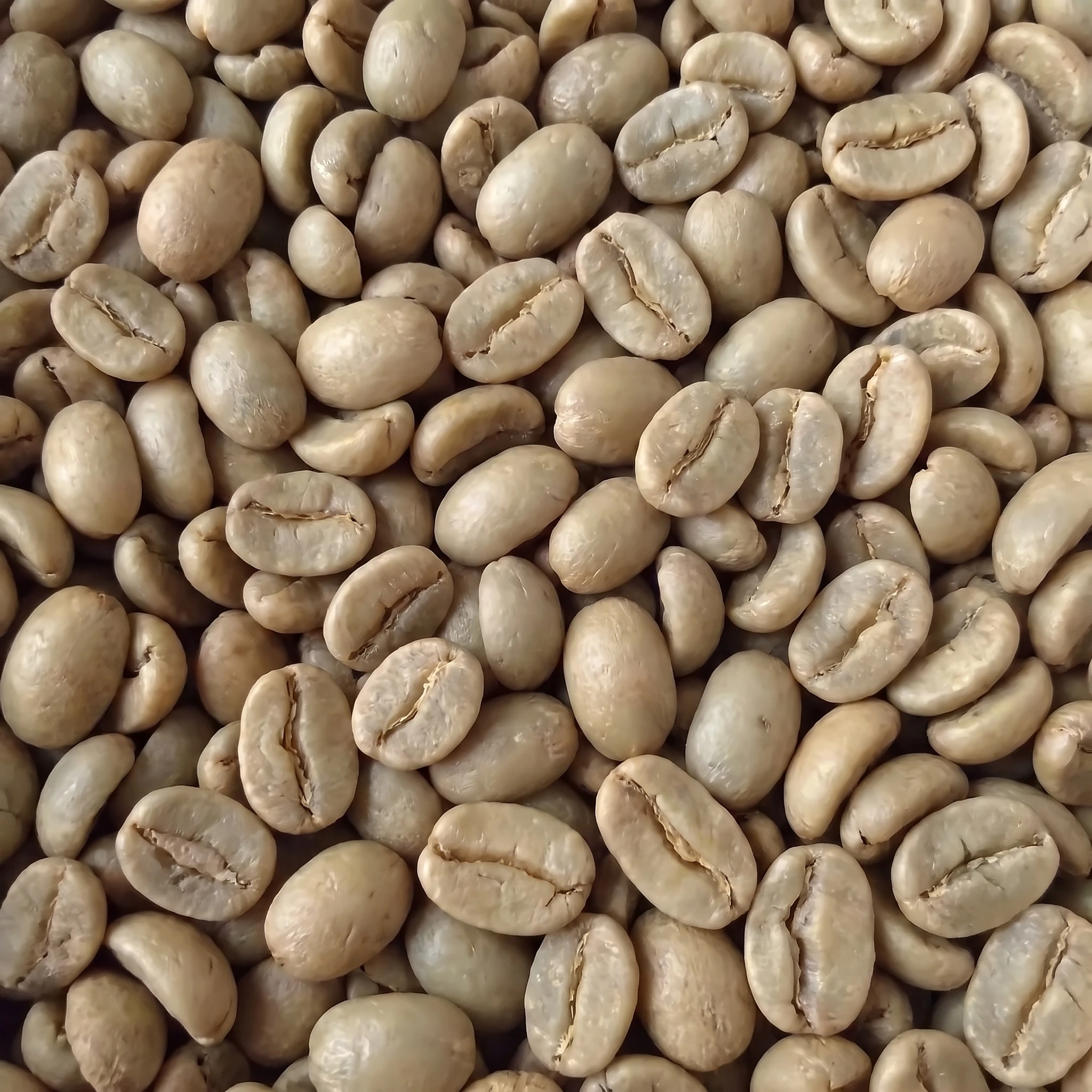
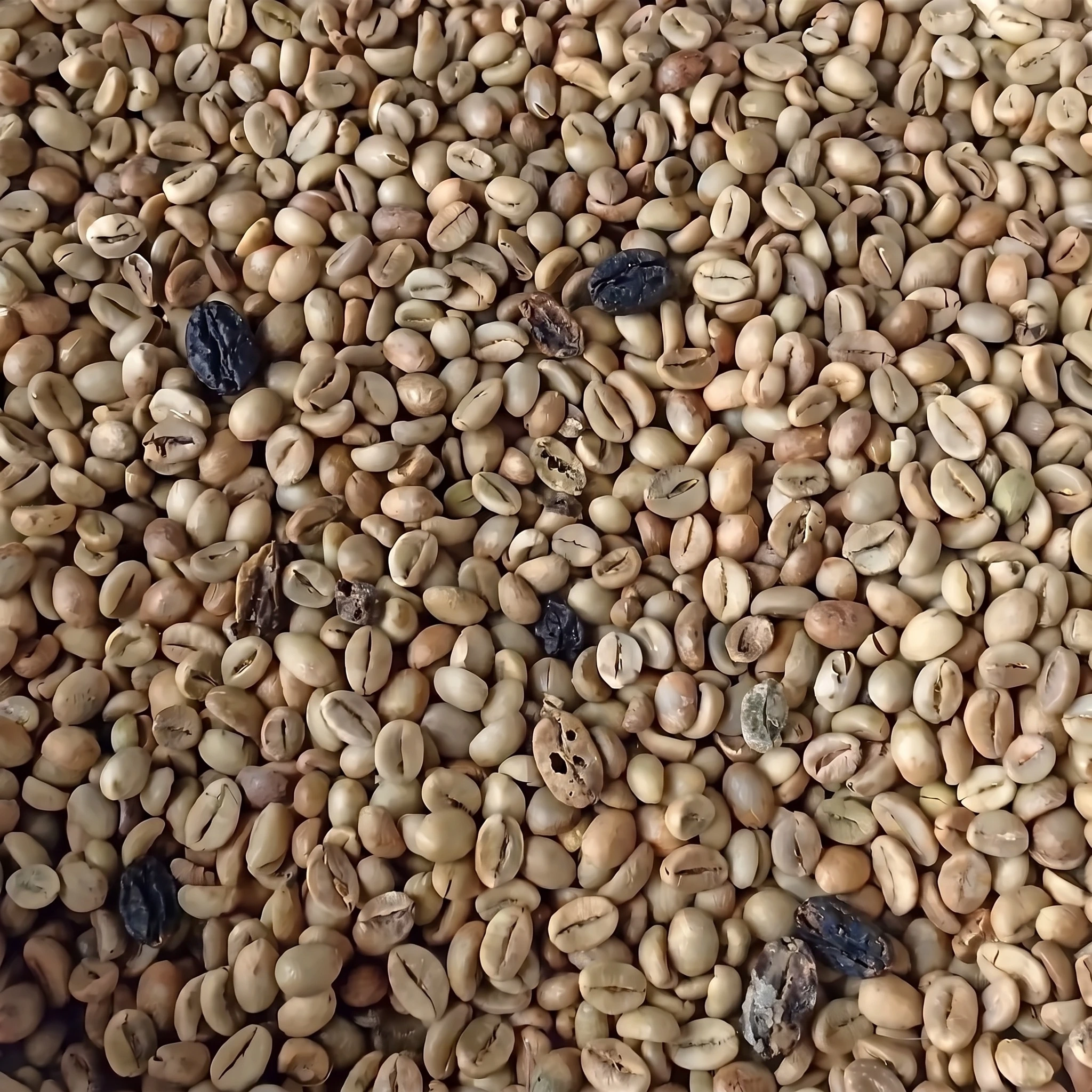
Indonesian robusta is sold under trade names that can confuse first-time buyers. EK-1 (also written EK1), ELB and triage are trade categories used alongside the official SNI grades, and the same name can mean slightly different coffee from different exporters. This guide explains what each category is, how they compare, and how to choose the right one for your blend or factory.
Contents
What EK-1, ELB and triage mean
- EK-1: the usual Sumatran trade name for standard export lots: mixed bean sizes above a minimum screen (often 13 up, about 5.2 mm), graded by defect count. Some exporters use EK-1 more broadly, as the export-quality label for all grades, including ELB lots.
- ELB: extra large beans, sorted to a large screen (usually 18 up, about 7.1 mm) and often specified by bean count, such as 350 or 450 beans per 100 g.
- Triage: the trade term for smaller, broken and defective beans separated during sorting. Lots with a high share of triage are sold as an industrial grade for soluble (instant) coffee and extraction.
EK-1 vs ELB vs triage at a glance
| Category | Bean size | Defects | Typical use | Relative price |
|---|---|---|---|---|
| EK-1 | Bean sizeMixed sizes above a minimum screen, often 13 up | DefectsGraded by SNI defect count across a wide range of grades | Typical useEspresso blends, roasting programs | Relative priceMid-range |
| ELB | Bean sizeLarge, usually screen 18 up; often 350 to 450 beans per 100 g | DefectsGraded by SNI defect count, usually Grades 1 to 3 | Typical usePremium and whole-bean programs | Relative priceHighest |
| Triage | Bean sizeSmall and broken beans | DefectsHigh; not graded for appearance | Typical useSoluble coffee, extraction | Relative priceLowest |
Start with your end use
- Espresso blends and roasting programs: EK-1 adds body and crema at a competitive price.
- Premium or whole-bean programs where appearance and even roasting matter: ELB, because larger, uniform beans roast more evenly.
- Soluble coffee, extraction and liquid coffee: triage, where bean size and appearance do not affect the final product.
Check bean size (screen)
Bean size is measured with sorting screens, numbered in 64ths of an inch: screen 16 means the beans do not pass through holes 16/64 inch (about 6.35 mm) across. Larger and more uniform screens cost more and roast more evenly. Ask your supplier which screen size each lot is sorted to, and what share of the beans is retained on it. Screen 13 is about 5.2 mm and screen 18 about 7.1 mm. EK-1 lots are usually specified by a minimum screen only, so they contain mixed sizes; if you need a uniform size, specify a screen range or buy ELB.
Check defects and moisture
Indonesian robusta is defect-counted on a 300 g sample under SNI 01-2907-2008, from Grade 1 (up to 11 defects) to Grade 6 (151 to 225 defects). Lower defect counts cost more, so match the grade to what your process can absorb: a blend roaster may accept more defects than a whole-bean program, while triage buyers focus on price and extraction yield. Agree a maximum moisture level as well: 12.5% is the ICO's quality target, and excess moisture risks mold in transit.
Balance price and consistency
ELB is usually priced above EK-1, and triage sits lowest. All three move with the London robusta futures market. For a steady blend, consistency matters as much as price: ask for the same specification on every shipment, and consider an annual program rather than one-off purchases.
Compare samples side by side
Before choosing, ask for samples of each category prepared to your specification. Roasters should cup them side by side in their own blend; soluble manufacturers should test extraction yield.
Frequently asked questions
Is ELB better than EK-1?
Not for every use. ELB beans are larger and more uniform, which suits premium and whole-bean programs, but EK-1 works well in espresso blends at a lower price. Choose by end use.
Which robusta grade is best for espresso blends?
Most espresso blend roasters buy EK-1, the standard export category, to add body and crema. ELB suits blends where bean appearance or very even roasting matters.
Can triage be used for roasting?
Triage is sold mainly to soluble coffee manufacturers and for extraction. It contains smaller, broken and more defective beans, so it is not suited to whole-bean roasting programs.
Is EK1 the same as EK-1?
Yes. Exporters write it both ways. Some use EK-1 for standard lots only, others for all export grades, including ELB. What matters is the specification in the contract: screen size, defect count, moisture and bean count.

How Indokofee supplies each category
Indokofee supplies all three categories from Lampung, South Sumatra, Bengkulu and Jambi: EK-1 in Grades 1 to 5 at screen 13 up; ELB in Grades 2 to 3 at screen 18 up, 350 to 450 beans per 100 g; and triage as a Grade 6 industrial grade for soluble coffee and extraction. All lots ship at a maximum of 12.5% moisture and are defect-counted to SNI 01-2907-2008 and your contract.